


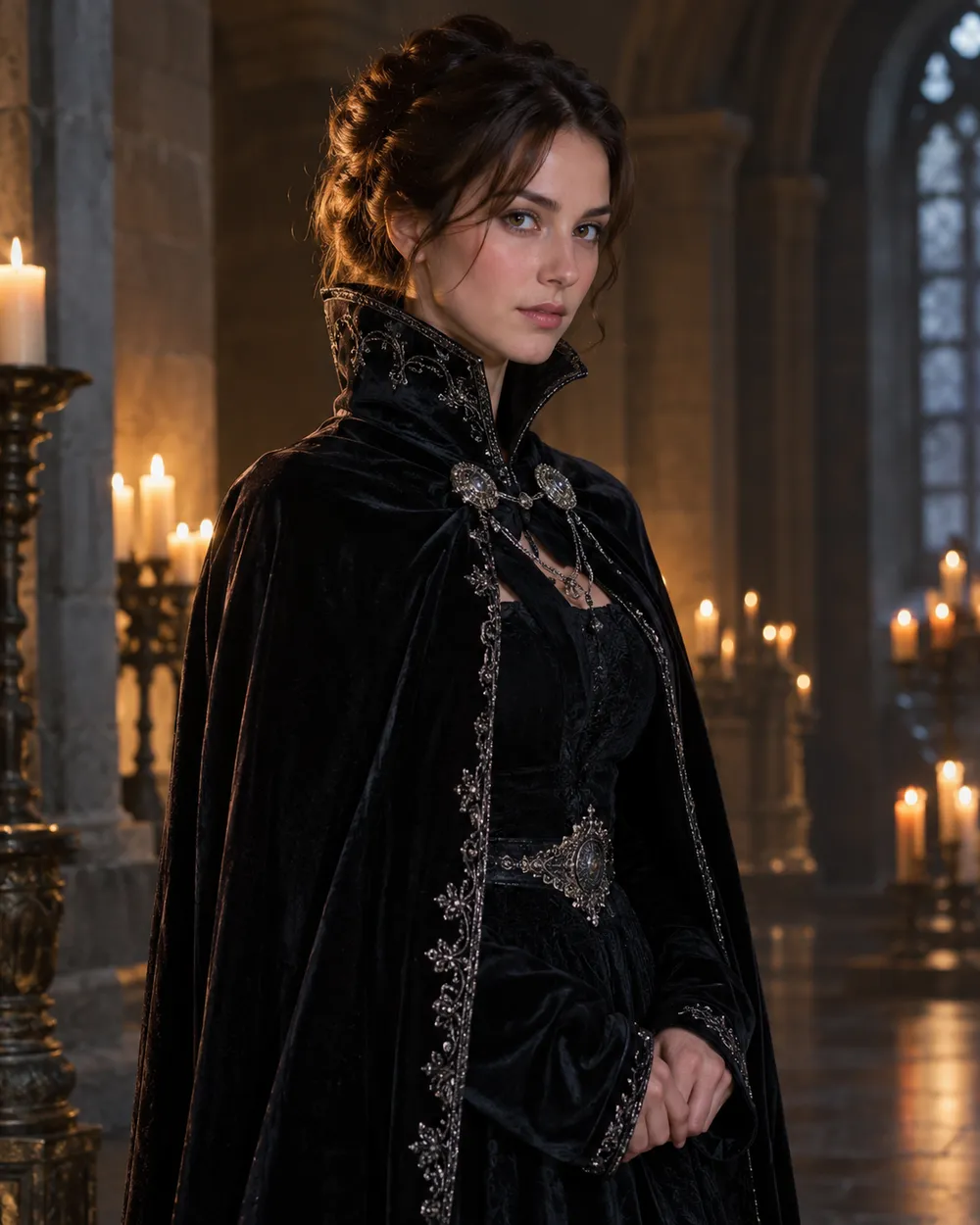
What makes a good AI Halloween costume prompt
A useful costume prompt separates four things: what must stay the same, what should change, where the person should stand, and what the camera should look like. Identity preservation belongs in the first sentence. Costume, hair and accessories belong in the second. Background, lighting and lens style belong in the third. Negative rules belong at the end.
The presets on this page follow that order. You can edit any preset before generating. If a result changes the face too much, shorten the scene description and repeat the identity rule. If the outfit is too plain, add material words such as velvet, lace, leather, wool or metallic trim. If the background looks flat, add fog, practical lanterns or a shallow depth of field.
Costume ideas worth testing in 2026
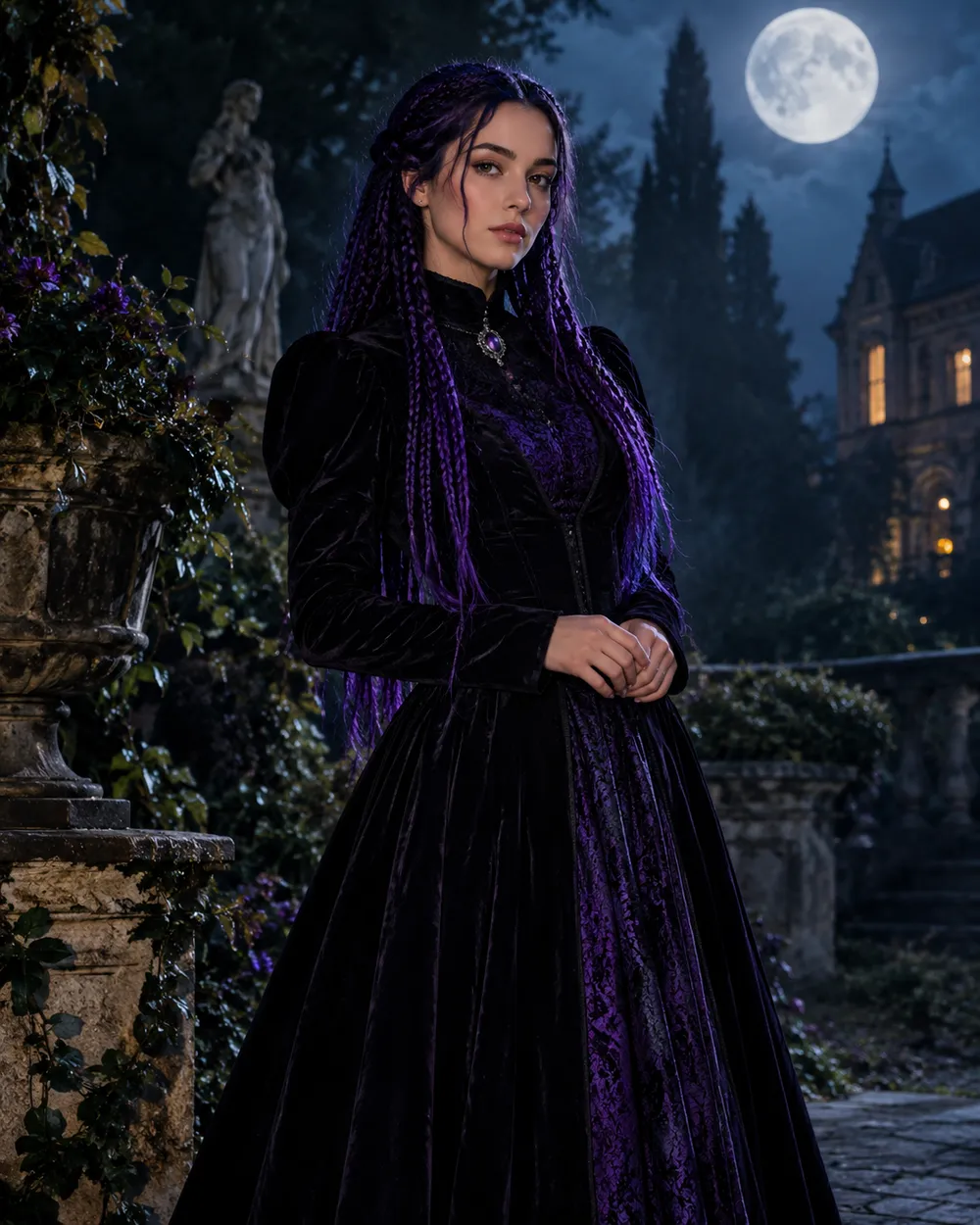
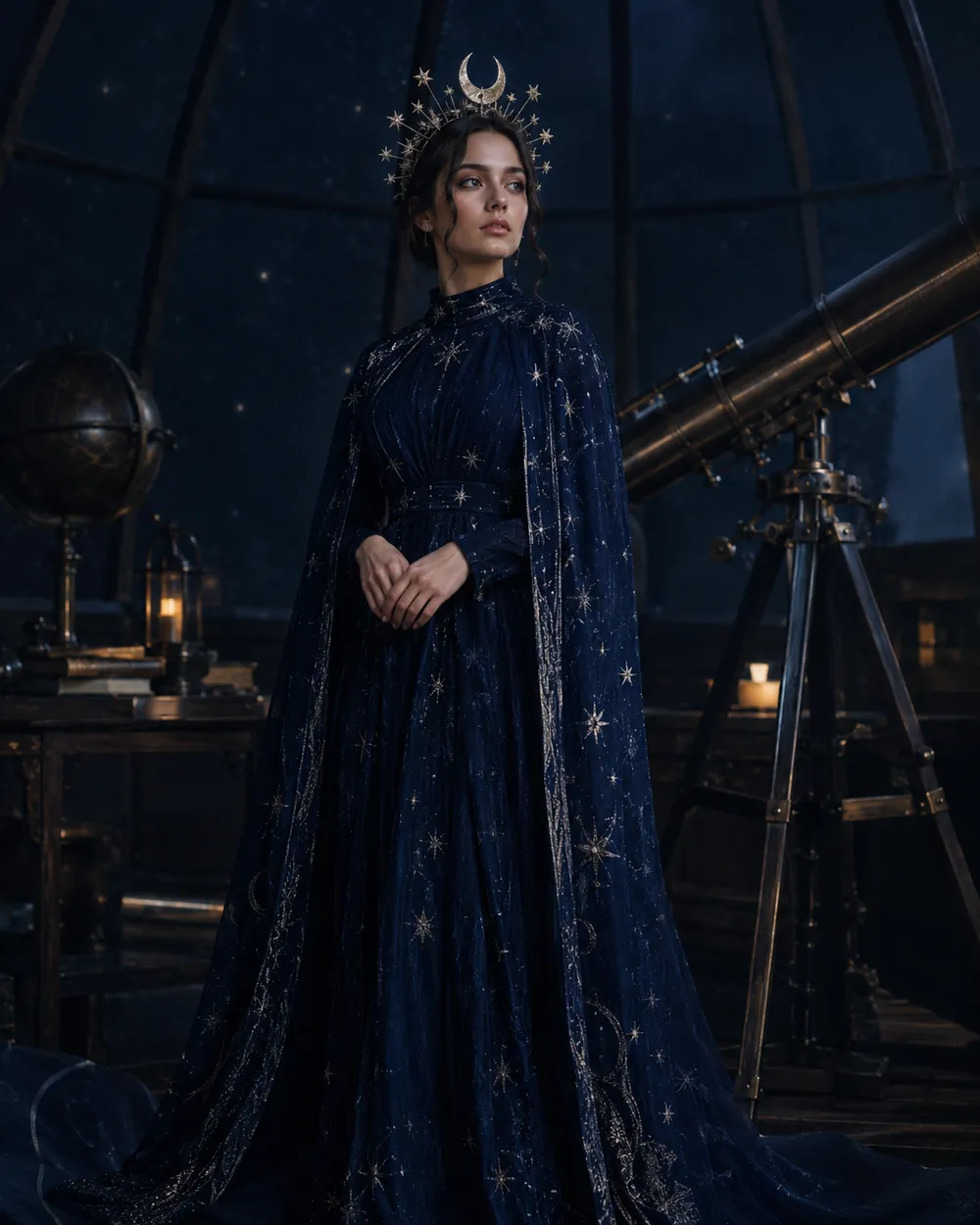
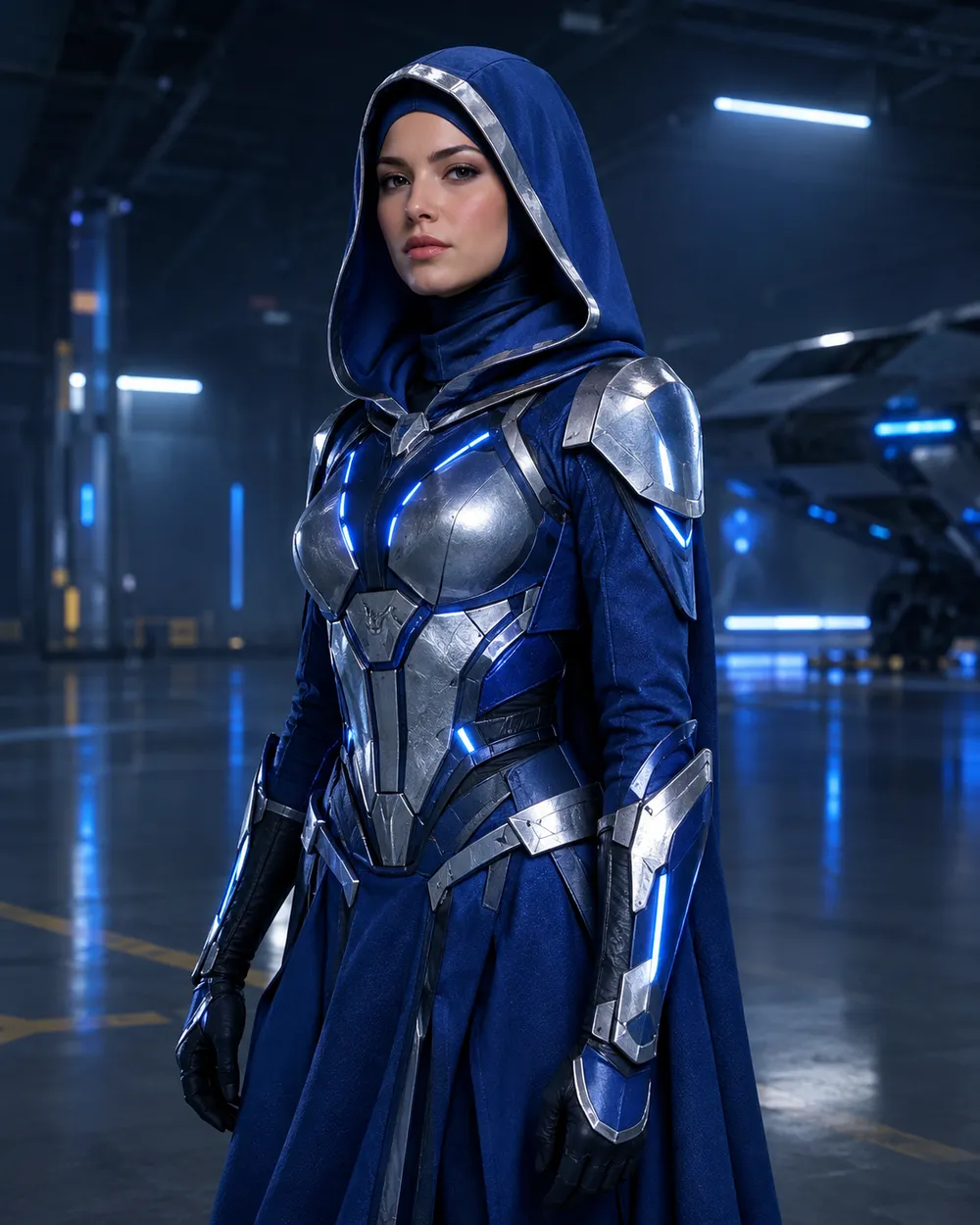
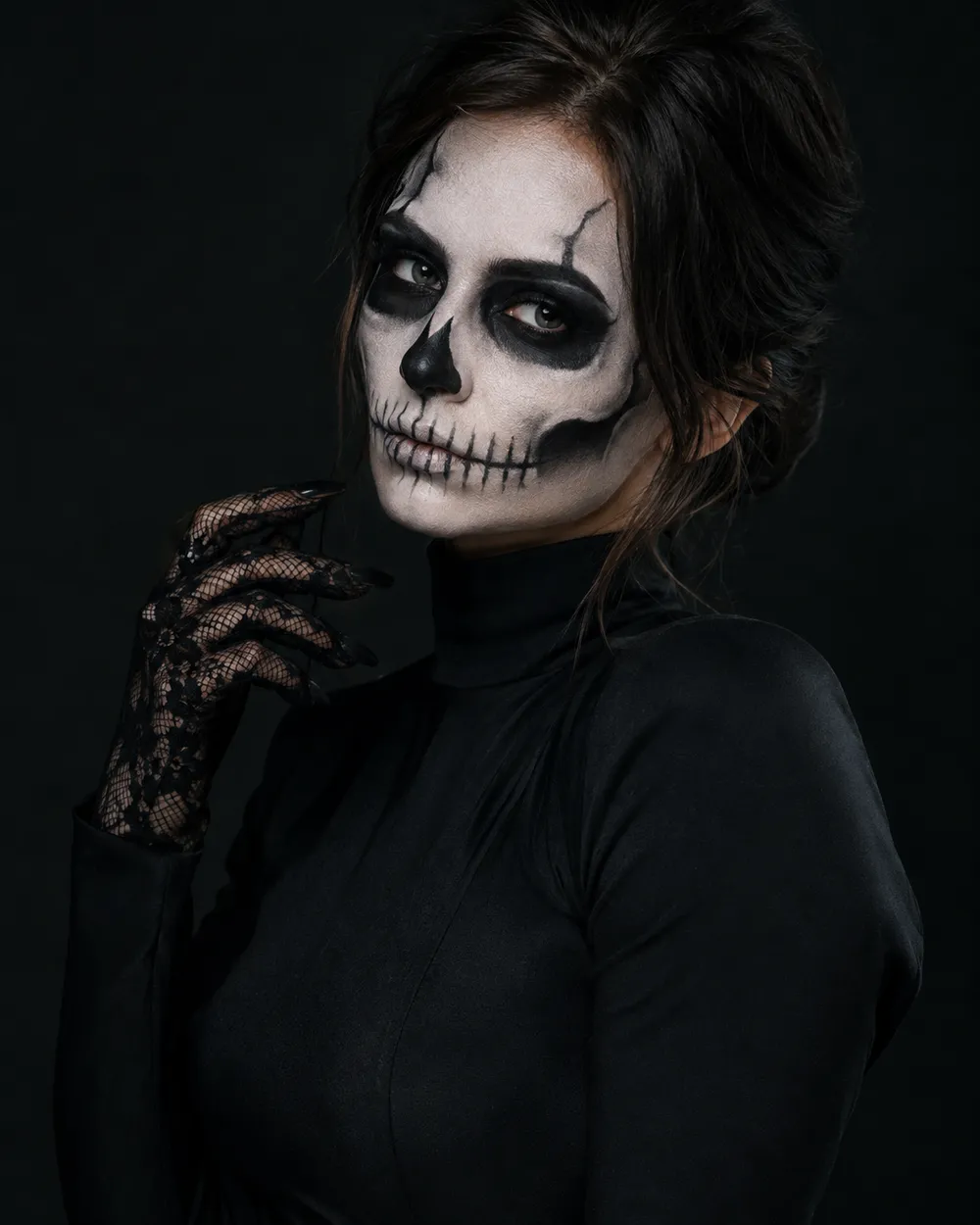
The 2026 Halloween trend lists are full of recognizable characters, but a generator page should not pretend to own those characters. The practical approach is to translate the visual idea into an original preset: braided dark fantasy, cosmic princess, galactic armor, woodland witch, editorial skeleton makeup, and refined vampire royalty. Each one is a costume direction rather than a copy of a film still.
If you want to follow a specific trend, describe the visual traits instead of the trademarked name: color palette, hair shape, silhouette, fabric, props and setting. That gives the model a clearer target and keeps the output original enough to publish.
Photo tips before you upload
Use a front-facing photo with even light and no strong filter. Keep the full head and shoulders in frame, avoid heavy occlusion, and do not upload a photo of someone who has not agreed to this use. One person per photo gives the model the cleanest identity reference. For couples or groups, use a photo where every face is clearly visible and use the couple workflow instead.
AI editing is probabilistic. A good source photo improves identity retention, but it does not guarantee a perfect match. Review hands, hair edges, jewelry and background text before you publish. If a result looks wrong, change one variable at a time instead of rewriting the whole prompt.