
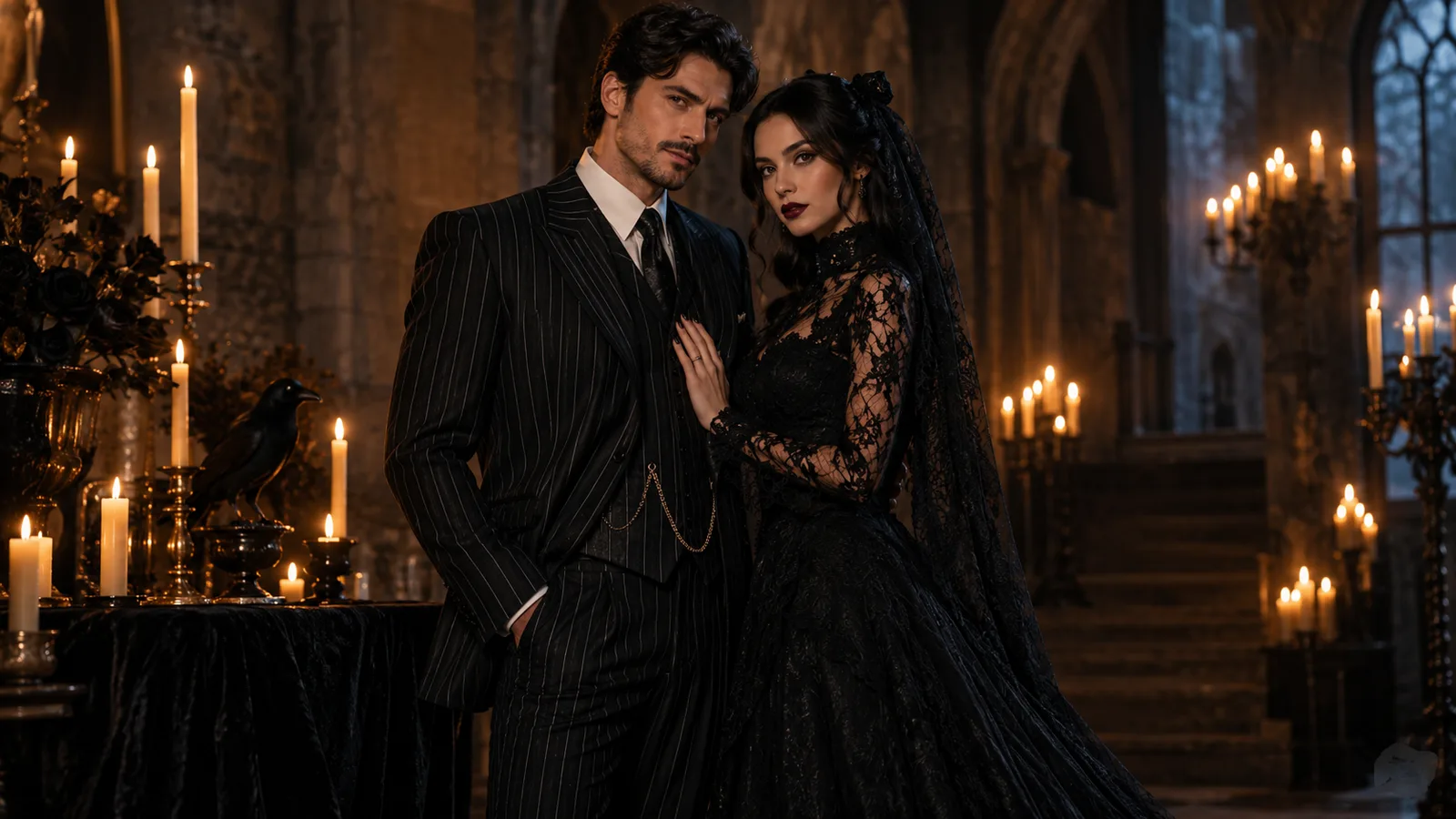
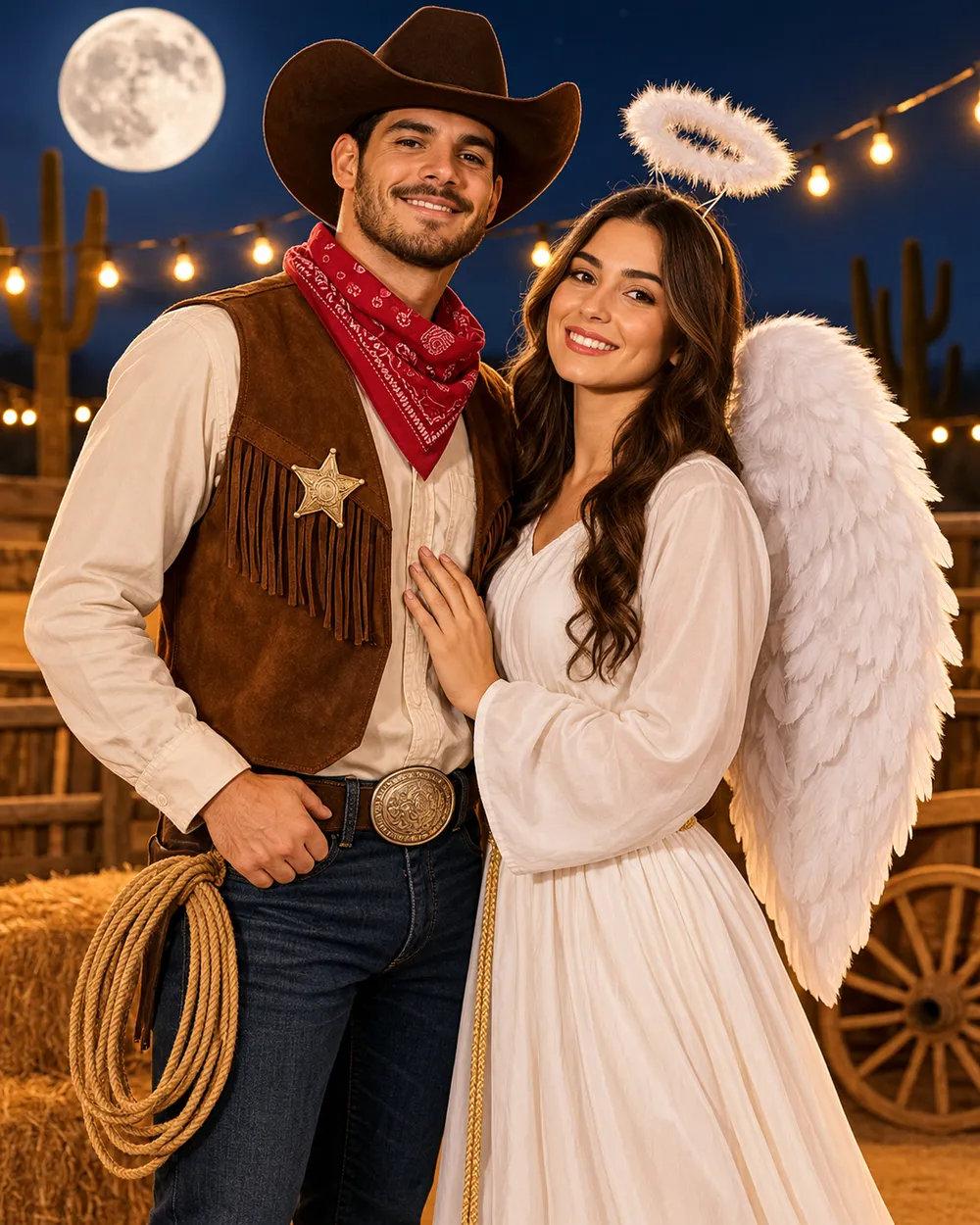
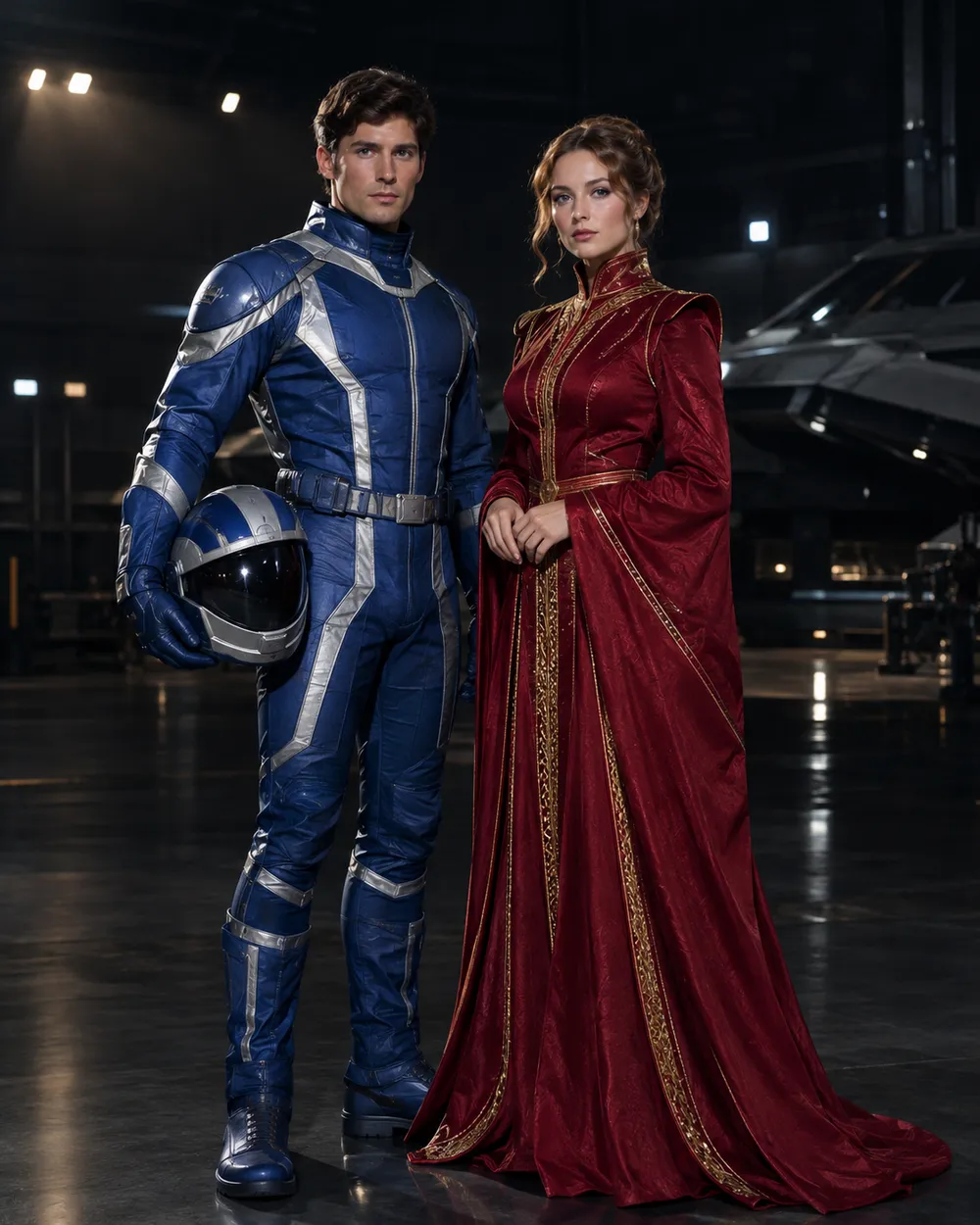
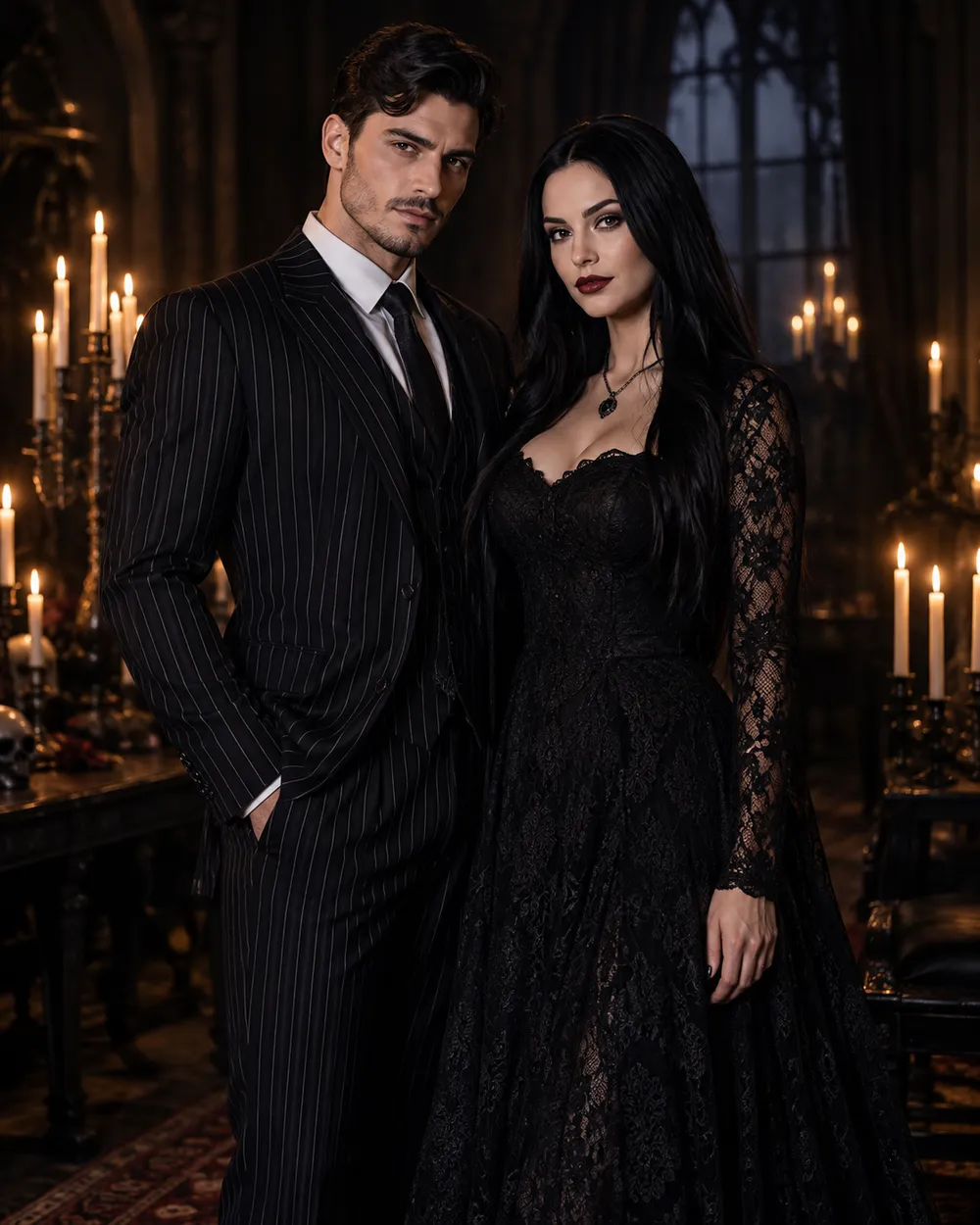

The two-photo workflow
Use one photo per person, both front-facing, both evenly lit, both with the full head and shoulders visible. Do not use a group photo and ask the model to isolate two people; that adds ambiguity. If you only have a couple photo, crop each person into a separate reference if the resolution allows it.
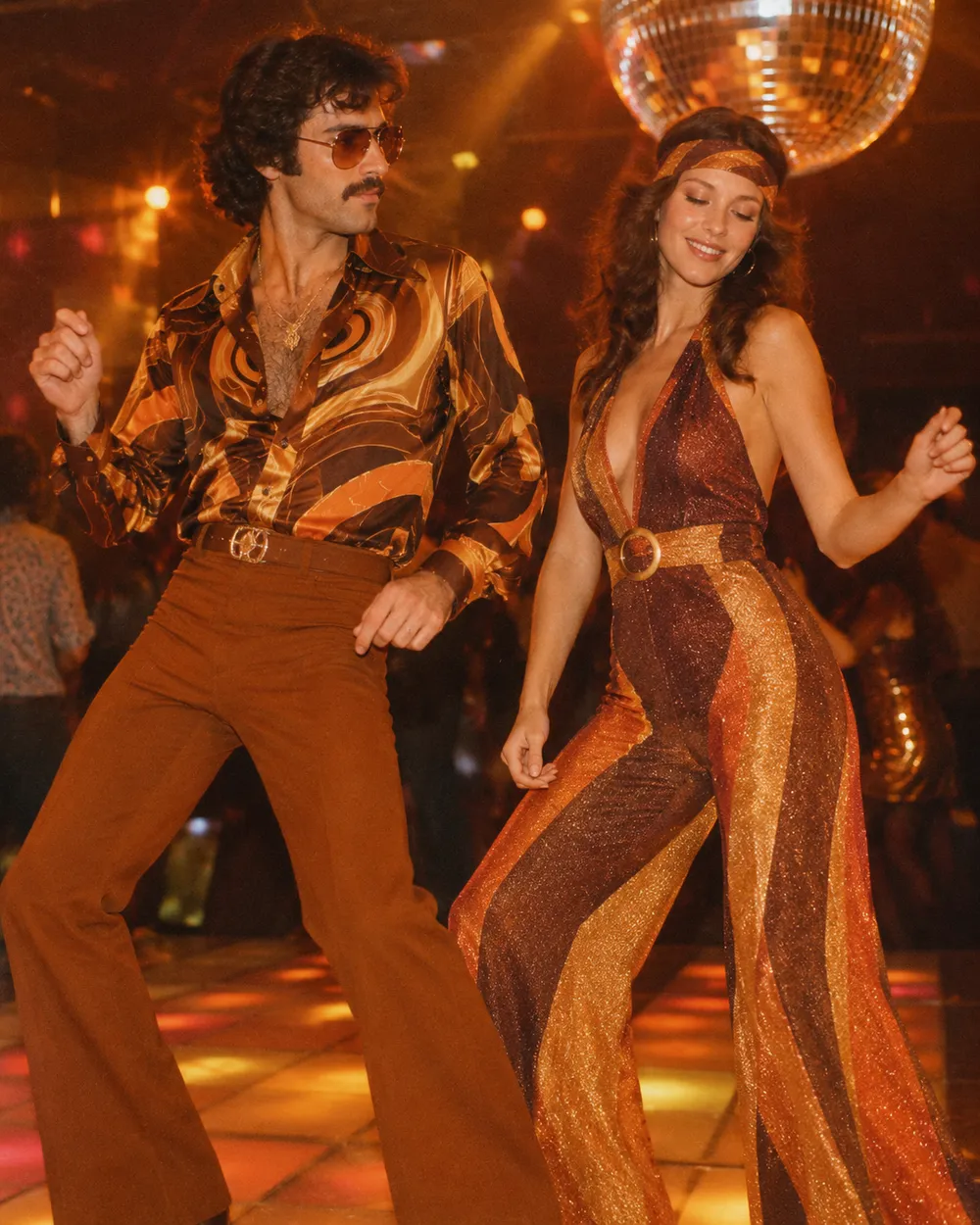
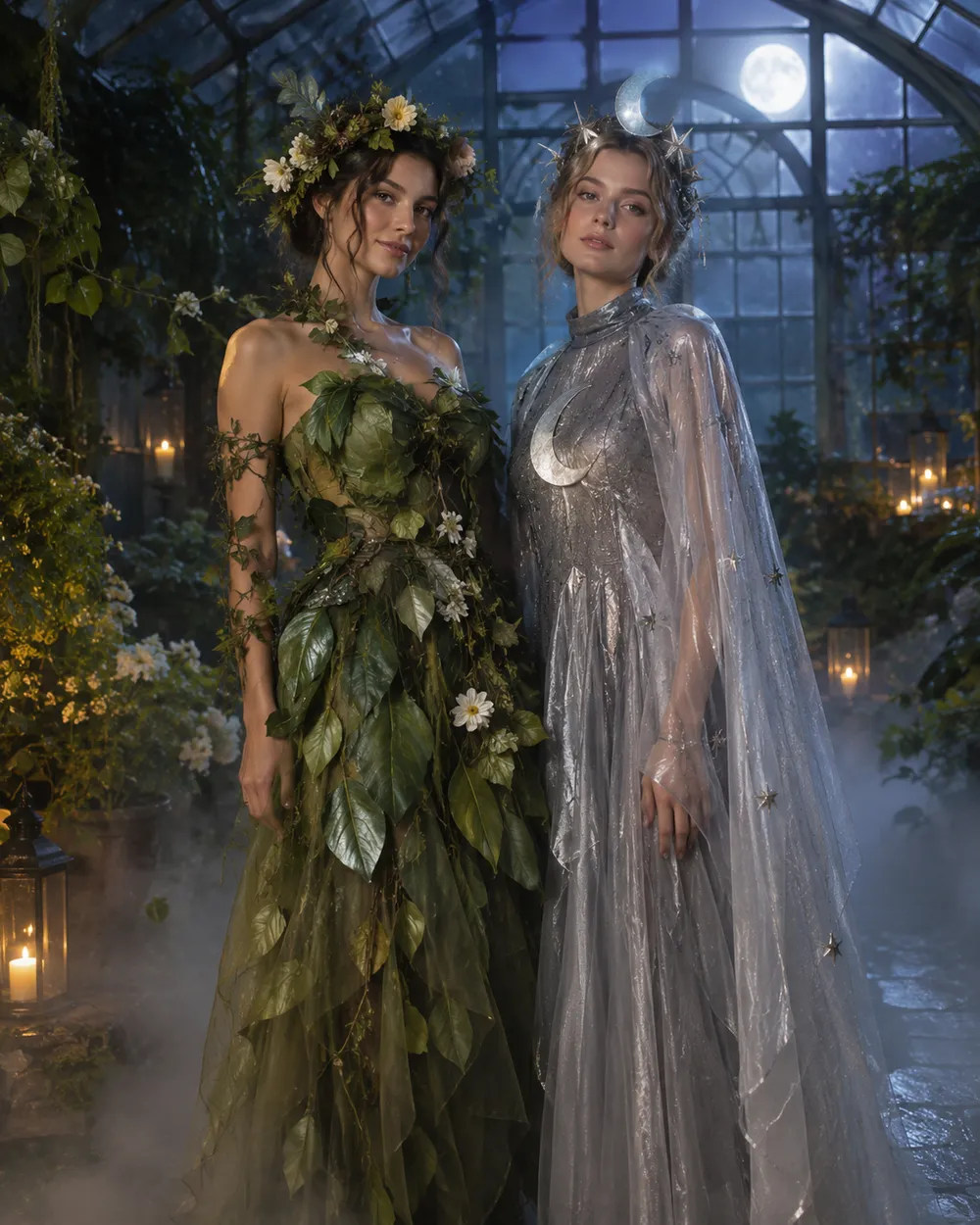
In the prompt, name both people in the same sentence and repeat the two-person rule. Ask for coordinated costumes, not identical costumes. Coordinated looks read better because each person keeps a distinct silhouette.
Avoiding face swaps and extra people
Face swapping is the most common failure. It happens when the model has two references but no clear mapping between reference and person. Describe the left and right person explicitly, or describe each costume separately, then state “exactly two people.”
Extra people appear when the scene description implies a crowd. Remove words like party, guests, group or audience. Use an empty garden, hallway or studio instead. Check hands, arms and shoulders at full resolution.
Coordinated, not matching
The best couple costumes share a palette or a story, not the same garment. One person can carry the warm color and the other the cool color. One can wear the armor and the other the cape. That contrast makes the photo readable and gives each person a clear silhouette.
If you want a matching look, match the fabric or the era instead of the exact outfit. It looks more intentional and gives the model less to blend.